


Hypodontia is also known as the condition that results from having tooth loss, and has become among the most frequent developmental dental issues that affect both adults and children. It is a condition that occurs whenever one or a few teeth are not developing naturally.
The absence of teeth could cause problems in speech, chewing as well as facial alignment and oral health. Although many are unaware of it until adult teeth begin to show the early detection is crucial in planning a long-term plan of treatment.
Since this condition can cause cosmetic and functional problems, we will explain in this article what hypodontia means, common signs and how it affects oral development, and various options for restoring the health of your smile.
WHAT IS HYPODONTIA?
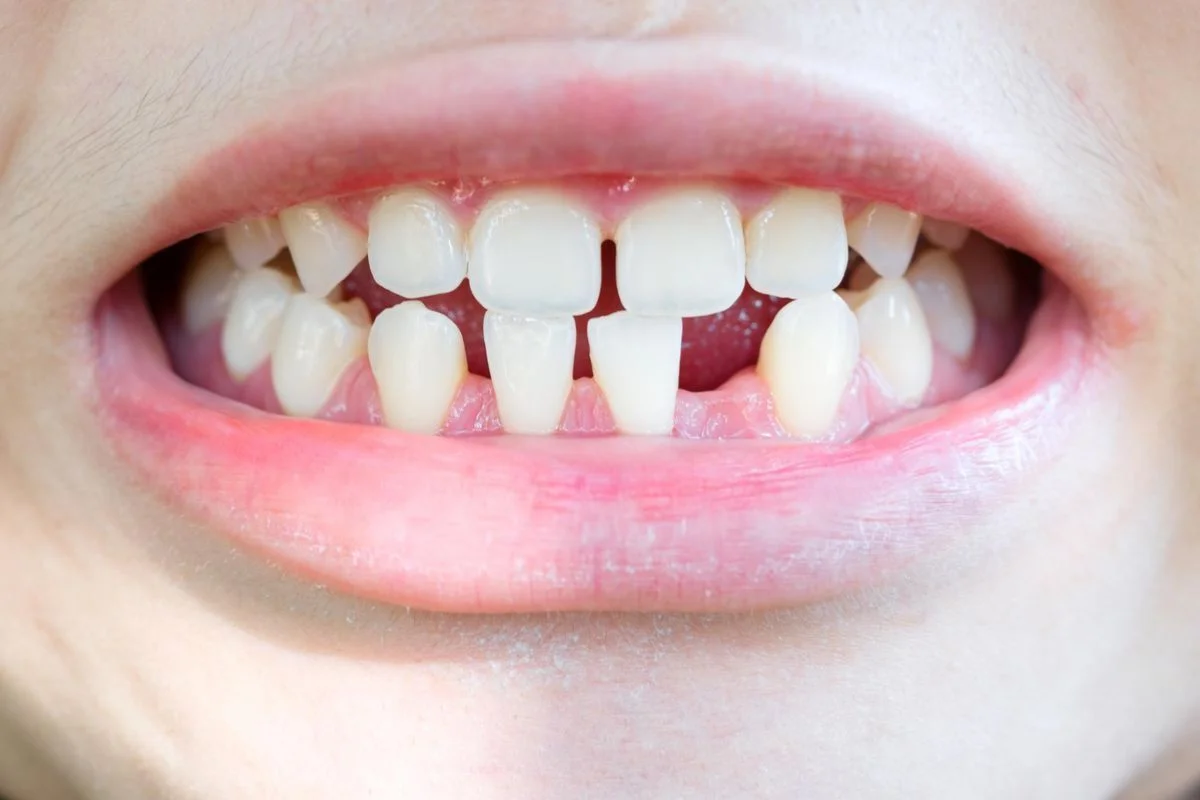
Hypodontia is the congenital loss of one or more permanent teeth, generally not including third molars. It could be one missing tooth or several absent teeth. The quantity differs from person to person. This is different from the loss of teeth caused by decay or injury because when hypodontia is present in teeth, there is no way to ensure that the tooth grows.
Many people notice the problem in childhood when a newborn tooth doesn’t disappear as planned, and others observe it in adulthood as gaps persist within the dental arch. Hypodontia can alter the aligning of teeth as well as the general role of the jaw. A missing tooth could create an opening that causes adjacent teeth to move.
This could cause issues with bite, tooth wear or difficulty in speaking clearly. Knowing how severe the problem is will help determine the most effective treatment approach.
WHY HYPODONTIA OCCURS?
Hypodontia typically develops as a result of genetic factors, however environmental and health-related influences may be a factor. In many instances, it is a family issue, and certain conditions of the genetic code make it more likely to lose teeth.
However, even people without a family history are able to be affected by hypodontia as a result of a change in the development or external causes in the child’s development.
GENETIC INFLUENCE:
Genetics is among the most significant causes of hyperdontia. If siblings or parents have missing teeth, the children might inherit the same disorder.
DEVELOPMENTAL ISSUES
Sometimes, issues with the formation of enamel or tooth buds can prevent teeth from fully developing. This may occur prior to birth or even in the early years of the child’s development.
MEDICAL CONDITIONS
Certain hormonal disorders, certain syndromes or other growth issues could lead to missing teeth. These conditions can impact the gums, jaws or teeth that are developing.
ENVIRONMENTAL FACTORS
Infections, trauma or serious childhood illnesses can affect tooth development. Being exposed to certain drugs or excessive levels of fluoride at the beginning of development could also affect the formation of teeth.
COMMON SIGNS AND SYMPTOMS OF HYPODONTIA
Hypodontia is not always apparent initially, particularly when there is only one tooth missing.
The majority of children affected still have baby teeth, therefore parents might not be aware of the problem until they have a dental examination or when they expect permanent teeth to not appear. In time, missing teeth could create visible spaces, alignment problems or difficulties chewing.
Common signs include the delayed eruption of teeth that are permanent as well as gaps in the arch of the tooth or baby teeth growing longer than they should, overcrowding in particular areas, chewing or biting issues and uneven wear on the remaining teeth, or speech problems.
In extreme instances, facial asymmetry can occur if missing teeth interfere with the growth of the jaw.
HOW HYPODONTIA AFFECTS ORAL DEVELOPMENT?
Seeing the missing teeth can affect how the entire mouth develops. If the teeth of one or two are missing, the remaining teeth tend to move towards the space that is open, which can cause adjustments in the bite alignment.
This could result in an underbite, overbite, crossbite or uneven tension when eating. Children suffering from hypodontia can also suffer a decrease in the growth of their jaws, particularly when multiple teeth are missing from one arch.
The condition can affect the appearance of your face as well. Front teeth missing can make the mouth recede inwards, and missing molars may affect the level of the teeth. The changes can cause an imbalance or alter the facial contours naturally.
As time passes, individuals may also be embarrassed by the obvious gaps in their appearance, which could impact confidence.
DIAGNOSING HYPODONTIA
The diagnosis begins with a thorough dental examination, which includes Xrays digital imaging, as well as a review of your dental background. Dentists and orthodontists are looking for undeveloped or missing dental buds as well as late eruptions or shifts in spacing patterns.
A panoramic X-ray can give the clearest picture of which teeth are missing, and if others will likely emerge in the near future. The dentist might also look at the impact of the condition on the alignment of the jaw, its expansion, and adjacent teeth. For children, diagnosis typically occurs between the ages of six to ten years old, which is when permanent teeth begin to appear.
Early detection allows families to have more time to determine the appropriate treatment plan.
TREATMENT OPTIONS FOR HYPODONTIA
The treatment plan will depend on the number of teeth missing, the location of those missing teeth may be and the patient’s health. A single tooth missing may require minor repairs or replacement, whereas multiple missing teeth might require long-term plans that include prosthetics, orthodontics, implants, or both.
ORTHODONTIC TREATMENT:
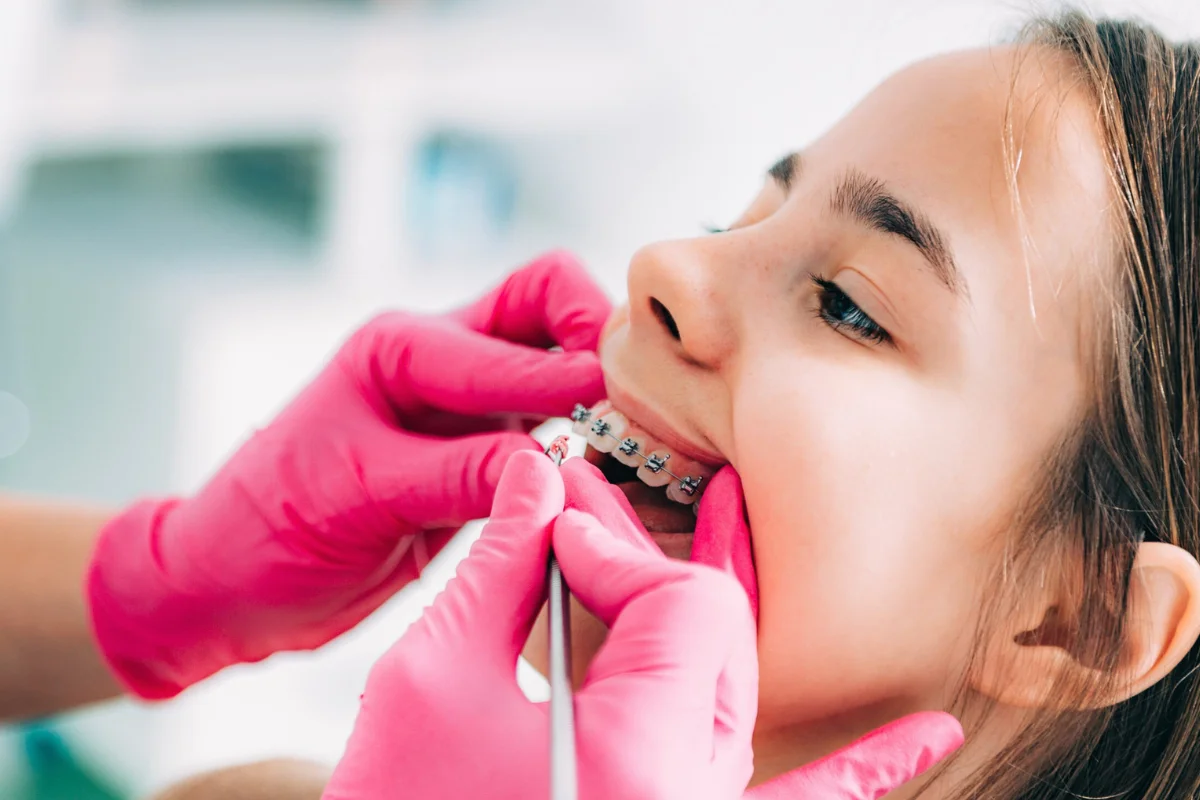
Orthodontics assists in addressing spacing issues due to missing teeth. Clear aligners or braces can reduce gaps, align teeth, or open up space for restorations to come in the future. This procedure often provides the foundation for subsequent treatment.
DENTAL IMPLANTS:
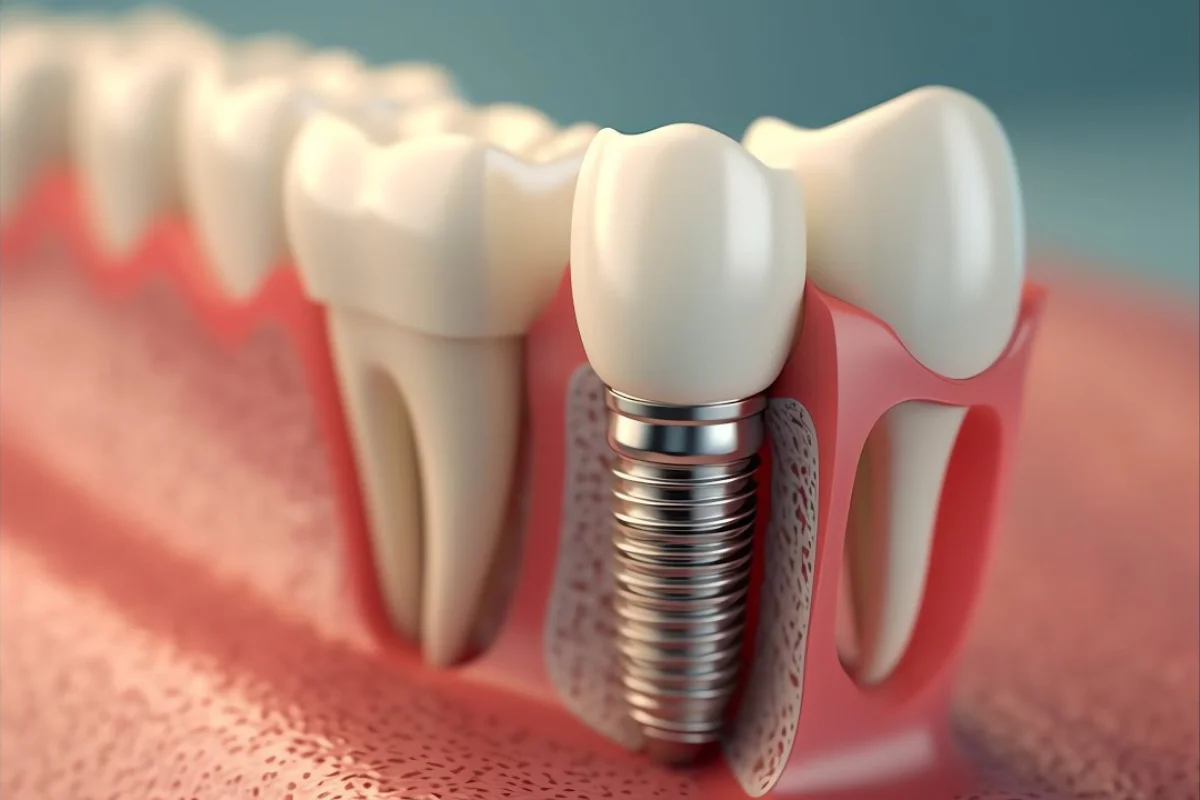
Implants are among the most natural and long-lasting options for missing teeth. Implants are inserted right into the jawbone, functioning as dental implants. Once they are healed, an implant is put on top to re-create their appearance as well as function natural teeth.
BRIDGES:
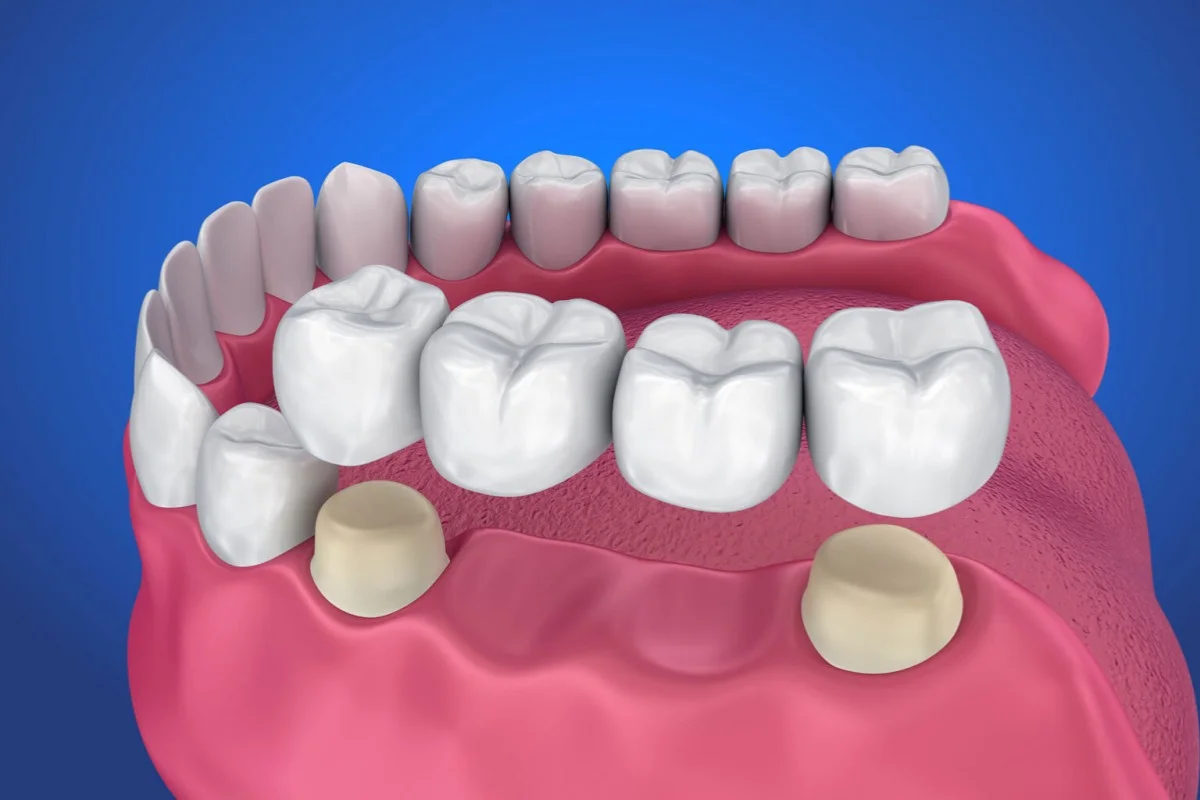
Dental bridges are used to fill in the gap by attaching crowns to adjacent teeth. Bridges work best in situations where implants are not a good option or when multiple teeth in the same region require replacement.
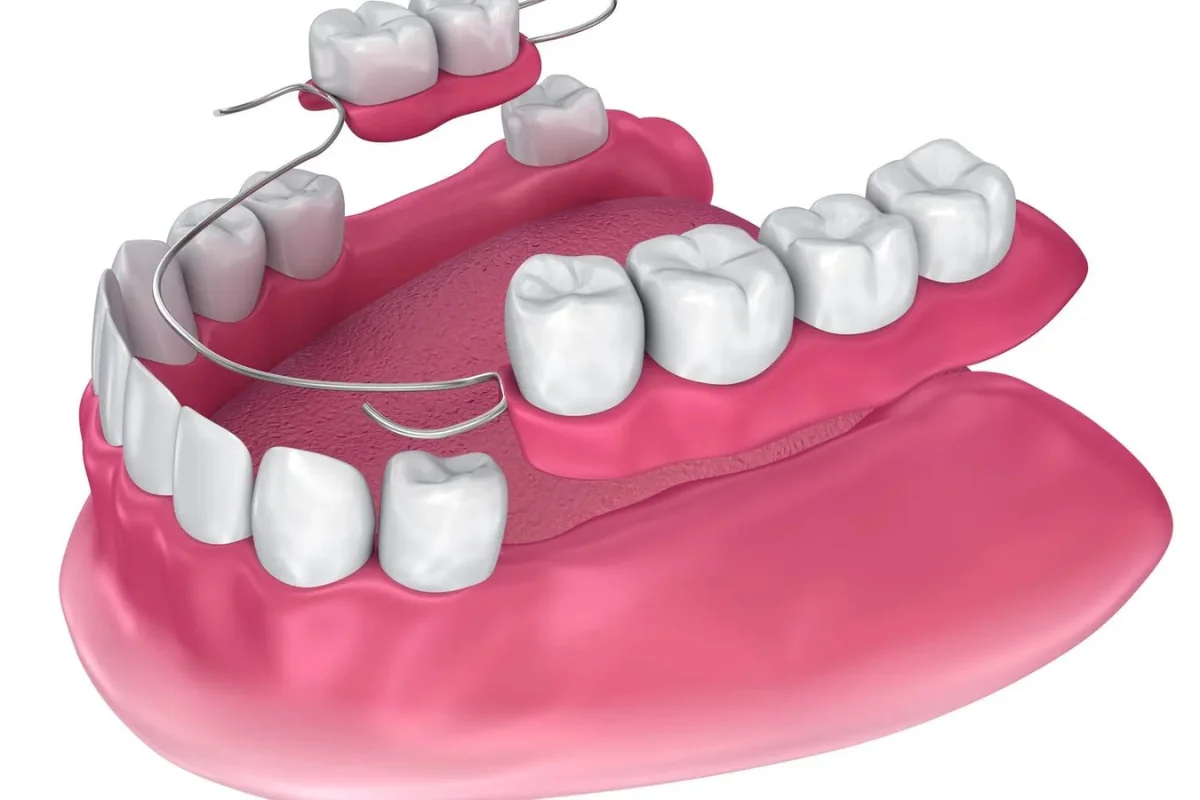
PARTIAL DENTURES:
If you have a patient with several missing teeth, or missing teeth in particular, partial dentures offer an option to remove them that can restore functionality and appearance. The dentures can be adjusted as the jaw expands, and can be a sensible option for children.
BONDING OR VENEERS:
If there are small gaps that persist after orthodontic treatment, porcelain veneers or cosmetic bonds could make the smile more attractive without any major procedure.
SUPPORTING CHILDREN WITH HYPODONTIA:
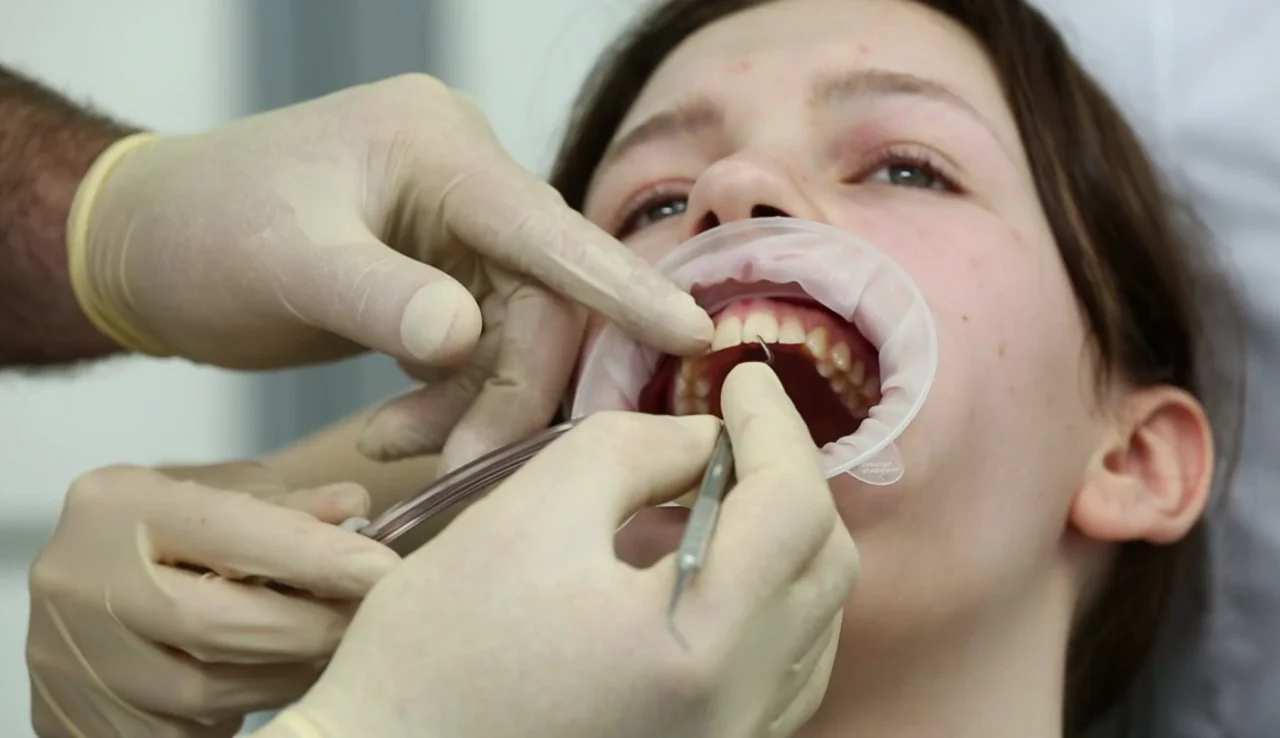
Children who suffer from hypodontia gain from early assessment as well as long-term plans.
Parents can assist their child’s development by attending regular dental check-ups as well as ensuring proper oral hygiene, and adhering to the recommended restorative or orthodontic treatment schedule.
The maintenance of healthy teeth for babies is crucial because they usually allow for restorations in the future until the child is old enough to be able to afford permanent solutions, such as implants.
With proper treatment, the children will grow into adults with a better alignment and solid foundation for any future treatment.
WHEN TO SEEK PROFESSIONAL HELP:
Parents should seek advice from an experienced dentist if their children’s permanent teeth aren’t getting in place on time, or in the event that baby teeth aren’t dropping out as naturally, or there are noticeable gaps showing up within the mouth.
Adults should seek advice when teeth are shifting or bite issues, or aesthetic concerns impact confidence or comfort. Early intervention can reduce your need to undergo more extensive procedures later, and provides the health of your bite and is balanced.
CONCLUSION:
Hypodontia is a frequent yet often ignored condition that impacts dental development as well as facial growth and the long-term health of your mouth.
Although it appears to be just a missing tooth, its effects can affect chewing, speech and even the appearance. If the diagnosis is correct and with a precise treatment plan, patients can improve both the aesthetics and function of their smile.
Modern dentistry has many efficient solutions, such as orthodontics, bridges, implants and cosmetic restorations. By knowing the warning symptoms and seeking prompt care, patients and families can ensure the health of their mouths and keep faith throughout the course of their lives.