


Jaw misalignments, medically referred to as malocclusions, are a frequent dental issue that affects children as well as adults. A malocclusion is when the lower and upper teeth are not aligned properly when the jaw is closed. This can impact the function of teeth as well as how the jaw moves and even the appearance of the face.
Although some malocclusions are not that severe and don’t cause much discomfort, others can cause discomfort and problems like chewing and speaking, as well as long-term dental health issues if not treated.
Understanding jaw misalignments and the importance of orthodontic treatments is crucial to maintaining the health of your bite and overall dental health.
WHAT ARE JAW MISALIGNMENTS?
Jaw misalignments can occur when the relation between the upper jaw, lower jaw, and teeth isn’t optimal. When you have a healthy bite, the upper teeth slightly overlap the lower teeth, and the molars slide seamlessly.
When this equilibrium is disturbed, it can lead to various types of malocclusion.
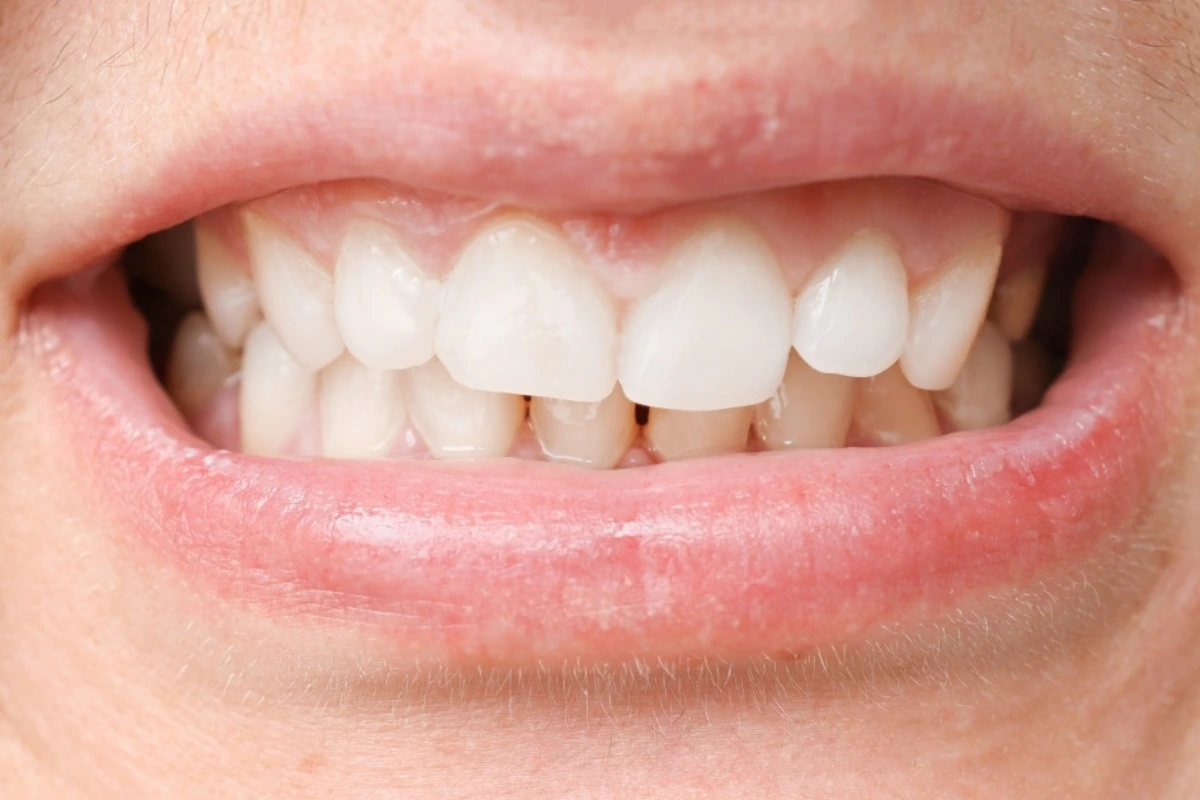
Malocclusions can cause overbites, crowding, spacing, crossbites, or even open bites. These issues can impact how the teeth interact and function when chewing, speaking, and reclining. Jaw misalignments may be present in the early years or gradually develop with time.
COMMON CAUSES OF MALOCCLUSIONS:
Jaw misalignments can occur due to various reasons. Genetics plays a key role, since the size of the jaw and tooth position are usually passed down through the generations. An inconsistency between the dimensions of the jaw and the dimensions of the teeth may result in spacing or crowding problems.
Childhood habits can also lead to malocclusions. Long-term thumb sucking and pacifier use, as well as bottle feeding after the age of one, could alter the jaw’s development. Mouth breathing and tongue thrusting can also affect how teeth and jaws align as children grow.
In some instances, jaw misalignments can occur because of trauma or injury to the jaw or face. The early loss of baby teeth, decayed teeth or dental infection can cause neighboring teeth to shift, which can affect overall bite alignment.
The grinding of teeth or the clenching of teeth as time passes can also lead to changes in bite alignment.
TYPES OF JAW MISALIGNMENTS:
Malocclusions can be found in a variety, each having its own particularities. An overbite is where the front teeth of your upper jaw are extended excessively over lower teeth. An underbite occurs when your lower jaw is extended forward, which causes the lower teeth to be placed just in front of the upper teeth.
A crossbite is when the upper teeth are placed inside the lower teeth rather than outside. An open bite occurs when the back and front teeth are not touching with the lips closed.
The reason for this is that there’s inadequate space within the jaw to allow the teeth to be aligned properly, while spacing issues can result from the gap between teeth that is too large.
Every type of malocclusion will impact oral function in different ways and requires an individual orthodontic evaluation.
SIGNS AND SYMPTOMS OF JAW MISALIGNMENTS:
Jaw misalignments may not be immediately apparent, particularly in cases of mild severity. There are, however, a variety of indications that suggest the presence of a problem. The difficulty of chewing food or eating evenly is a typical symptom.
Many people suffer from soreness or pain in their jaws, or fatigue, particularly when eating or talking for long periods of time.
Face discomfort, headaches, and popping or clicking sounds from the jaw joints can also be a result of bite issues. Troubles with speech, like confusion or lisping, may occur if teeth and jaws aren’t properly aligned.
The appearance of crowded or visible crooked teeth is usually the most obvious evidence of malocclusion. In children, the first symptoms may be the delayed or irregular development of the permanent tooth or obvious jaw dislocation.
WHY TREATING MALOCCLUSIONS IS IMPORTANT?
The treatment of jaw misalignments extends beyond improving the appearance of your smile. A wrong bite can put an uneven amount of pressure on teeth, which can cause excessive enamel wear.
Teeth that are crowded are more difficult to clean efficiently, which increases the risk of getting cavities and gum disease.
Jaw misalignments may also affect the jaw joints as well as the surrounding muscles. In time, this strain could lead to jaw pain and decreased jaw mobility. In more severe instances, malocclusions that are not treated can alter facial symmetry and cause longer-term functional issues.
The early diagnosis as well as treatment can help to ensure proper jaw development for young children, and prevent more complicated issues later on. Adults who undergo orthodontic therapy could have substantial health and functional benefits.
ORTHODONTIC TREATMENT FOR CHILDREN AND ADULTS:
The most efficient method to correct teeth misalignments and improve bite function is orthodontic treatment. There are treatment options for both adults and children, and modern orthodontics is focused on the comfort, efficiency, and long-term outcomes.
For children, an orthodontic examination helps to identify the early signs of developing malocclusions. Early treatment could help guide jaw growth, provide an area for the eruption of teeth, and minimize the need for intensive treatment later.
Correcting issues with alignment during growth may provide more stable and predictable results.
Adults may also benefit from orthodontic treatments. A lot of adults seek treatment to fix long-standing issues with their bite and improve their oral health or alleviate discomfort due to malocclusions. The age of an individual does not hinder successful orthodontic treatment because teeth move with ease throughout the entire life span with a proper plan.
HOW CONVENTIONAL ORTHODONTICS WORKS?
Braces are used in conventional orthodontic treatments to gradually bring teeth into their proper alignment. Brackets are positioned on the teeth and are connected via wires, which apply soft, controlled pressure. In time, this pressure helps guide the jaws and teeth to a better position.
The treatment plans for orthodontics are custom-made according to the severity and type of malocclusion. Regular adjustments are made to ensure progress and your comfort.
The duration of treatment varies based on each patient’s individual needs, but constant care and regular follow-up are essential for achieving outcomes.
In certain instances, there are additional devices that can be employed to improve jaw alignment or even guide growth, particularly in younger patients. Retainers are generally used after active treatment to maintain the correct alignment.
HOW HYPODONTIA AFFECTS ORAL DEVELOPMENT?
Seeing the missing teeth can affect how the entire mouth develops. If the teeth of one or two are missing, the remaining teeth tend to move towards the space that is open, which can cause adjustments in the bite alignment.
This could result in an underbite, overbite, crossbite or uneven tension when eating. Children suffering from hypodontia can also suffer a decrease in the growth of their jaws, particularly when multiple teeth are missing from one arch.
The condition can affect the appearance of your face as well. Front teeth missing can make the mouth recede inwards, and missing molars may affect the level of the teeth. The changes can cause an imbalance or alter the facial contours naturally.
As time passes, individuals may also be embarrassed by the obvious gaps in their appearance, which could impact confidence.
BENEFITS OF CORRECTING JAW MISALIGNMENTS:
Correcting jaw misalignments can bring health and functional benefits over the long term.
A properly aligned jaw improves chewing efficiency and decreases the amount of wear and tear that teeth experience. An improved alignment can also make the process of maintaining your oral hygiene much easier, which reduces the chance of developing gum disease and decay.
Many patients find relief from headaches and jaw muscle tension after treatment with orthodontics. Improved confidence in speech and clarity in appearance are other benefits that usually accompany a healthier bite.
Early treatment for children aids in the development of a healthy jaw and can prevent future problems. In adults, orthodontic treatment can help restore harmony of the jaw and working function.
THE IMPORTANCE OF PROFESSIONAL EVALUATION:
Since jaw misalignments can vary widely, the need for professional evaluation is vital.
A dentist can examine the alignment of the jaw, its position, and development to determine the most suitable treatment plan. The diagnostic imaging process and the clinical examinations provide invaluable insight into the primary causes of malocclusion.
A custom treatment plan assures alignment is fixed efficiently and safely, focusing on function as well as long-term stability.
FINAL THOUGHTS:
Malocclusions or jaw misalignments are a typical dental problem that can affect anyone of any age. While some instances are not severe, few can affect everyday function, comfort, and dental health.
Orthodontic treatment is a tried and tested solution to correcting issues with bite as well as directing jaw alignment and promoting overall dental wellness. Through a thorough evaluation and prompt treatment, both children and adults can enjoy a healthier bite, more efficient function, and long-lasting confidence in their smiles.