

INTRODUCTION
Smile with Porcelain Veneers in Ingersoll
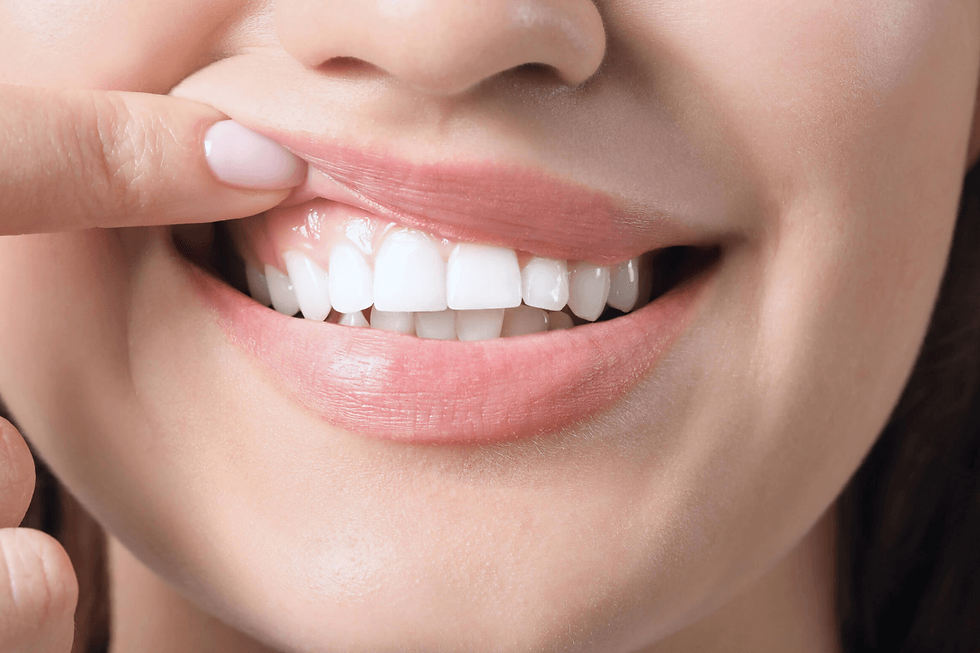
Veneers are thin but strong pieces of porcelain, shaped like teeth, that we bond to the front of your natural teeth with a durable cement. They restore teeth that are decayed, chipped or discoloured, and they can also close gaps between teeth. At our Ingersoll office, veneer treatment often requires local anesthetic and may take more than one appointment. To make room for the veneer, a minimal amount of enamel is usually removed first. Veneers look very natural once they are in place, which is why some patients choose them purely for cosmetic reasons.
FEATURES
How Do Dental Veneers Actually Work?
Veneers are thin but strong pieces of porcelain, shaped like teeth, that we bond to the front of your natural teeth with a durable cement. They restore teeth that are decayed, chipped or discoloured, and they can also close gaps between teeth. At our Ingersoll office, veneer treatment often requires local anesthetic and may take more than one appointment. To make room for the veneer, a minimal amount of enamel is usually removed first. Veneers look very natural once they are in place, which is why some patients choose them purely for cosmetic reasons.
The Two Main Types of Dental Veneers
Porcelain Veneers
1
Porcelain is the type of veneer we place most often at Ingersoll Dental Centre. Every porcelain veneer is custom-made and tooth-coloured, and it can fix a wide range of cosmetic problems. Depending on the quality of the veneer and how well it is looked after, porcelain veneers can last up to 10 to 15 years. The ceramic they are made from resists stains better than any other veneer material. Porcelain veneers are also minimally invasive compared with the alternatives, and because they are biocompatible they do not irritate the gums or other soft tissue.
Composite Veneers
2
Composite veneers are built from resins, which are a mix of organic and inorganic materials, and they are offered as an alternative to porcelain. They do not last as long as porcelain veneers and they can stain more readily as time goes on. The bonding material is the same resin we use for tooth-coloured dental fillings. Composite veneers are a conservative choice, and if one chips it can be sculpted directly onto the tooth. They are the more affordable of the two and usually last up to 5 to 7 years.
What Happens Before Your Veneers Go On
3
We start by matching the veneers to the natural shade of your teeth. Then we take digital impressions with our intraoral scanner, which means no goopy putty in your mouth. After that we prepare the tooth surface by removing a very thin layer of enamel. If you need them, temporary veneers go on last and stay in place until your custom set is ready.
AFTERCARE
How to Protect Your Veneers After They Are Placed
Here is what to do once your veneers are in: Skip chewing, rinsing and spitting for the first 24 hours. Use a soft toothbrush and a toothpaste that is not abrasive. Floss every day at home. Keep up with your regular dental examinations. Routine check-ups at our Ingersoll office let our dentists watch how your veneers are doing and sort out any small concern before it becomes a bigger one.
Book Your Appointment
We'll get back to you within one business day.

WHEN TO CONSIDER
Why Choose Veneers for Your Smile?
When something about your front teeth bothers you, veneers can make a big difference. They are a versatile treatment, and one procedure can fix several cosmetic issues at once.
Problems that veneers can correct
• Gaps
• Uneven surfaces
• Crooked teeth
• Long teeth
• Weakened teeth
• Chips or fractures
• Worn-down teeth
If one or more of these describes your teeth, book a consultation at Ingersoll Dental Centre on Charles Street. We work with patients from Ingersoll, Woodstock and Thamesford to find a veneer option that suits their needs and their budget.
BENEFITS
Timeline, results, and how long they last.
How long does the veneer process take?
Plan on two visits over two to three weeks. The first appointment at our Ingersoll practice is for preparing your teeth and taking digital impressions. The second is for bonding the finished veneers in place. If temporary veneers are part of your plan, you wear those between the two visits. Bonding day is a simple appointment, and most patients head home from Charles Street that same day with their new smile.
How Long Do Porcelain Veneers Hold Up?
With good quality and proper care, porcelain veneers can last up to 10 to 15 years. Being ceramic, they also resist stains better than any other type of veneer.
How Long Do Composite Veneers Hold Up?
Composite veneers usually last up to 5 to 7 years. They cost less than porcelain, but they are not as durable and they pick up stains more readily over the years. On the plus side, composite is a conservative option, and a chipped composite veneer can be sculpted directly onto the tooth.
Can You Undo Veneers?
Usually not. Traditional veneer placement means removing a minimal amount of enamel so the veneer has room to sit. Enamel does not grow back, so traditional porcelain veneers are generally treated as a permanent decision. Composite veneers may call for less enamel removal.
Do veneers look too white or unnatural?
Only if that's the look you're after. We'll help you choose a shade that suits your face, so your smile looks bright and healthy without being unnaturally white. Most people want to improve the smile they have, not get a Hollywood smile, and we design veneers with that in mind. Before we commit to the final result, you'll see a preview.
Will coffee, tea or wine stain my veneers?
Not if they're porcelain. Porcelain veneers are highly stain-resistant, much more so than your natural enamel, so you can keep having your usual coffee, tea, wine and other staining foods without concern. Composite veneers stain a bit more easily. For heavy coffee drinkers, porcelain tends to be the smarter pick.
What should I do if a veneer breaks or comes off?
Durable as they are, veneers aren't indestructible. Should one chip or debond, hold on to any pieces and call us. A composite veneer can often be repaired right on the tooth. A porcelain one generally needs replacing. Help protect your veneers by avoiding hard objects such as ice, pen caps and fingernails. If you grind at night, a night guard will protect them too.
Do I have to get veneers on every tooth?
No. You only need them on the teeth you want to improve. The front teeth show most when you smile, so many patients get 4 to 8 veneers there. When the concern is limited to one or two teeth, a single veneer or a pair often does the job. During your consultation, we'll talk through the choices.
