


Are you experiencing a tingling sensation around your jaw whenever you chew, talk or even open your mouth? It could be an indication of an issue in your jaw joint, also known as TMJ.
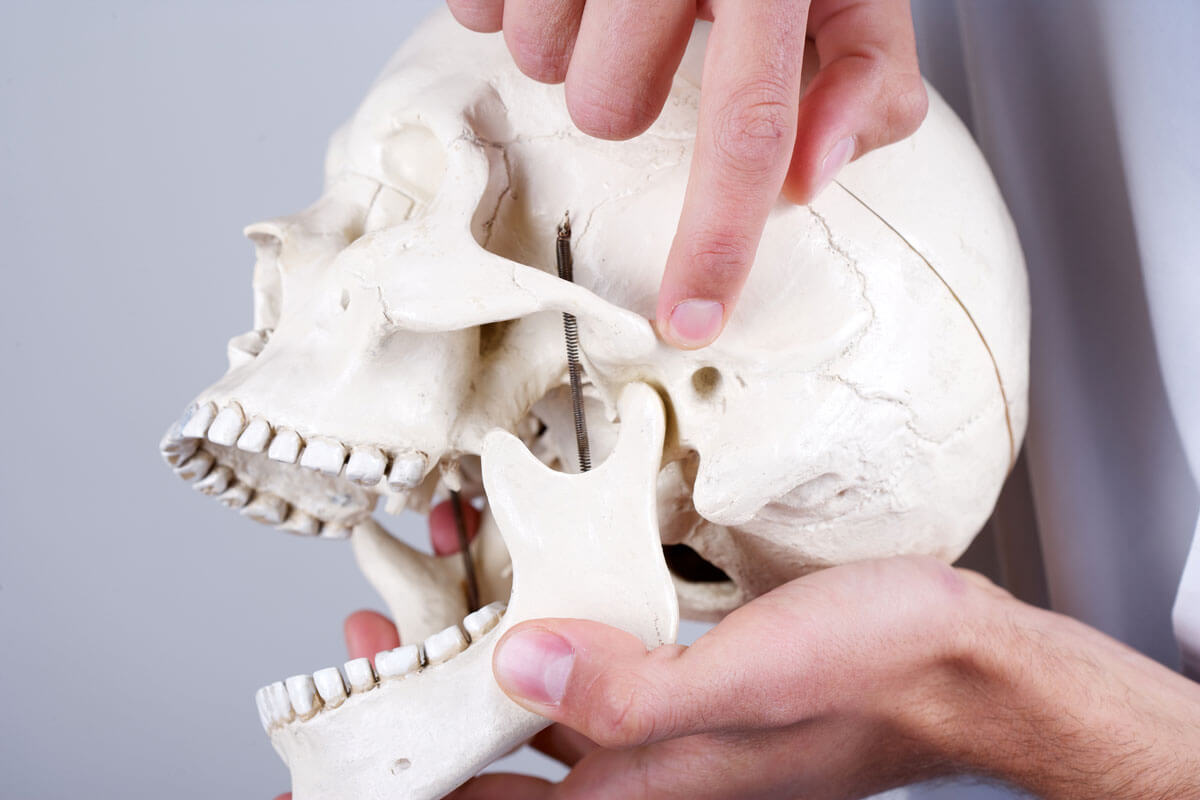
TMJ is the abbreviation for Temporomandibular Joint. It links your lower jaw to the skull, on both sides. When there’s an issue with the joint or muscles surrounding it, it is known as TMJ disorder.
TMJ problems are widespread and affect people regardless of age. The discomfort can come in and out, or could become permanent if addressed appropriately.
For some, it may create problems when eating, speaking or even while sleeping. Being aware of the causes of TMJ problems are, their causes and the best way to get them addressed is essential to keep your mouth in good health and free of pain.
WHAT IS THE TEMPOROMANDIBULAR JOINT?
The temporomandibular joint happens to be among the best frequently used joints of the body of a human. It lets your jaw move upwards and downwards and side-to-side so that it is possible to talk, chew and even smile.
The joint has a tiny disc that acts as an elongated cushion between your bone and skull. The disc assists the joint move with ease.
When something goes wrong in the joint or muscles surrounding it, you could feel stiffness, pain or a lack of movement. The causes are listed under the umbrella of what doctors refer to as TMJ disorders, or TMD.
COMMON CAUSES OF TMJ DISORDERS
There are a variety of reasons one might suffer from TMJ issues. The causes can be physical or psychological, while other causes are due to stress or habits.
- Trauma or injury Trauma or injury: A blow or hit to the head or jaw can cause damage to the joint and the muscles surrounding it.
- Clenching or grinding teeth. People that grind their teeth or clamp them frequently while asleep, place additional pressure on their joints that can lead to discomfort over time.
- Arthritis: Similar to other joints of the body the jaw joint could be impacted by arthritis. This can cause stiffness and pain.
- Stress: When someone is stressed, they can be able to tighten their jaw muscles and grind their teeth without realizing they are doing it.
- Jaw misalignment is not perfect or your teeth don’t align in a proper way, it can result in stress on your joint.
- Poor posture: Standing or sitting with your head tucked in for long periods of time, such as when you are using a phone or computer, may cause pressure on your neck and jaw muscles.
- Connective tissue disorders: Certain diseases that affect connective tissues could be a cause of TMJ issues.
The cause for each person’s case is distinct, which is why it’s crucial to obtain a correct diagnosis from a doctor or dentist.
COMMON SYMPTOMS OF TMJ DISORDERS
TMJ issues can trigger various symptoms and aren’t always apparent to jaws initially. The most frequent signs are:
- Tenderness or pain in the jaw area, in particular close to the ears.
- It is difficult to open or close the mouth
- Popping, clicking or grinding sounds jaws are moved
- Pain or headaches around the temples
- Stiffness in the neck or shoulders.
- Swelling that occurs on either or both faces
- Ringing in the ear
- The pain that comes from chewing or chewing or
- The sensation that your jaw becomes “stuck” or “locks”
Certain people might experience some discomfort, which goes away but others might experience persistent pain that can interfere with everyday activities.
HOW TMJ DISORDERS ARE DIAGNOSED?
If you suspect you are suffering from TMJ disorder the next step would be to consult your dentist or physician. They will ask you about how you feel, the medical history and other habits such as grinding your teeth or stress.
Dental professionals may also observe the movement of your jaw and listen to sounds of popping or clicking and check the muscles that surround your neck and face.
In certain instances X-rays, CT scans or MRI tests can be utilized to gain a more clear view at the joint as well as its surrounding tissues.
These images will help your dentist to determine whether the disc in your joint has been placed in the correct position or if there’s any injury.
HOW TMJ DISORDERS AFFECT DAILY LIFE
TMJ issues can make your daily life difficult. Simple things such as eating, laughing or talking may cause discomfort.
A lot of people experience jaw stiffness, headaches, or neck strain throughout the day. The continuous discomfort can impact your sleep and cause you to feel tired or annoyed. People may be embarrassed by the sound of their jaw or have difficulty opening their mouths wide.
Although TMJ issues aren’t usually dangerous, they can severely impact the quality of life if they are not addressed.
TREATMENT OPTIONS FOR TMJ DISORDERS:
The positive side is that the majority of TMJ issues can be addressed without surgery. The treatment that is best for you depends on how severe the problem is. Here are a few common treatments:
1. LIFESTYLE CHANGES AND SELF-CARE
Simple home remedies are often able to help to reduce TMJ discomfort. Applying cold or warm compresses, eating foods that are soft as well as avoiding the chewing of gum assist in easing jaw tension. The practice of good posture can reduce tension.
2. MEDICATIONS
The use of pain relief and anti-inflammatory drugs are a great way to reduce swelling and pain. In certain instances, doctors might prescribe muscle relaxants or medication to ease stress-related clenching.
3. DENTAL TREATMENTS
If the issue is due to teeth grinding or misalignment, your dentist might suggest the use of a bite guard (also known as a nightguard) to wear at night. It protects your teeth and relieves tension on joints. In certain instances orthodontic treatment might be required to correct bites.
4. PHYSICAL THERAPY
Certain exercises can help increase jaw muscle strength and flexibility. A physical therapist can guide stretching and relaxation techniques that reduce tension.
5. COUNSELING OR MANAGING STRESS
Because stress is often a part of stress, relaxation techniques such as deep breathing, meditation or even counseling can reduce jaw clenching.
6. SURGERY
Surgery is typically the last option and is usually required in extreme cases where other treatments fail. There are various surgical procedures to fix and replace joints dependent on the issue.
HOME REMEDIES FOR TMJ PAIN RELIEF
Many patients are able to relieve TMJ discomfort with simple, at-home remedies. This includes:
- Relaxing the jaw and avoiding jaw movements that are wide
- Apply a warm blanket or heating pad over the jaw region for about 10 minutes
- Consuming soft foods such as soups, mashed potatoes or smoothies
- Gentle jaw exercises are suggested by your dentist
- Maintaining teeth a little distance apart to loosen jaw muscles
- Beware of habits such as chewing on nail biting, chewing pens or clenching your teeth
Small changes like these can ease the pain and keep the condition from becoming worse.
PREVENTING TMJ DISORDERS
Although not every case is preventable, certain behaviors can decrease the likelihood of developing TMJ issues. You can safeguard your jaw by implementing these guidelines:
- Do not grind or clench your teeth.
- Maintain a good posture, particularly when using your phone or computer.
- Find ways to reduce stress with regular exercise or relaxation.
- Avoid eating foods that are extremely hard or chewing on large pieces such as whole apples.
- Check in with your dentist regularly to assess your dental health and bite.
Making sure you take care of your jaw can help prevent long-term pain and discomfort.
LIVE WITH TMJ DISORDERS
Living with TMJ disorder can be difficult, and a good treatment can make a huge difference.
The majority of people discover that by making easy adjustments and treatments, their symptoms will improve as time passes. It’s essential to be patient as the healing process may be prolonged for weeks or even months.
Following the advice of your dentist and avoiding bad habits, and reducing stress will assist in preventing eruptions.
Regular visits to your dentist will ensure that the treatment is effective and that your jaw remains well-maintained. If you take care of your jaw you can manage the pain and return to regular activities once again.
FINAL THOUGHTS:
TMJ conditions are fairly frequent and can be a problem for everyone. While they can be painful and uncomfortable, they are generally treatable by following a few simple steps. It is important to identify the signs early and seek treatment prior to the condition deteriorating.
Maintaining your jaw by relaxing and good posture as well as dental hygiene, can make a huge impact. If you experience pain or hear a clicking sound as you move the jaws, do not overlook it.
See your dentist to find out the root of the problem and receive the best treatment. If you take care and pay attention, TMJ disorders can be controlled and your jaw will remain healthy and strong for a long time to come.